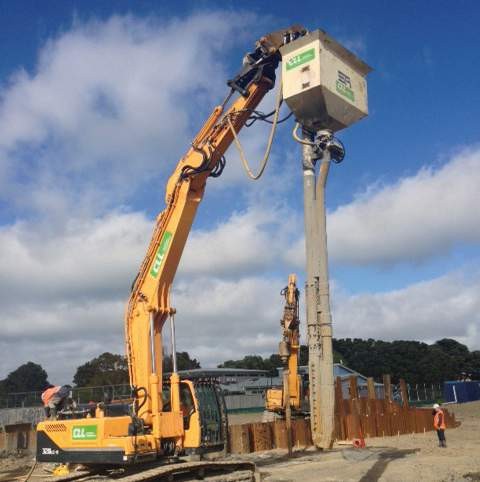
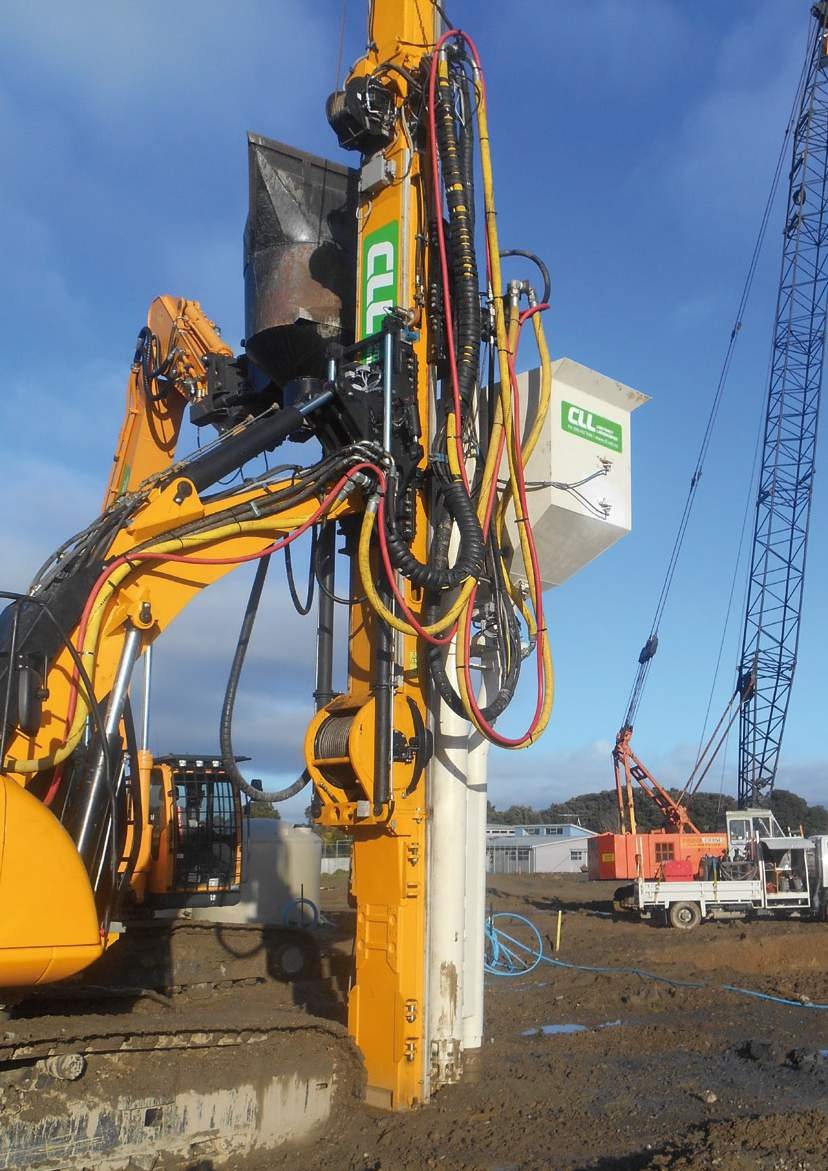
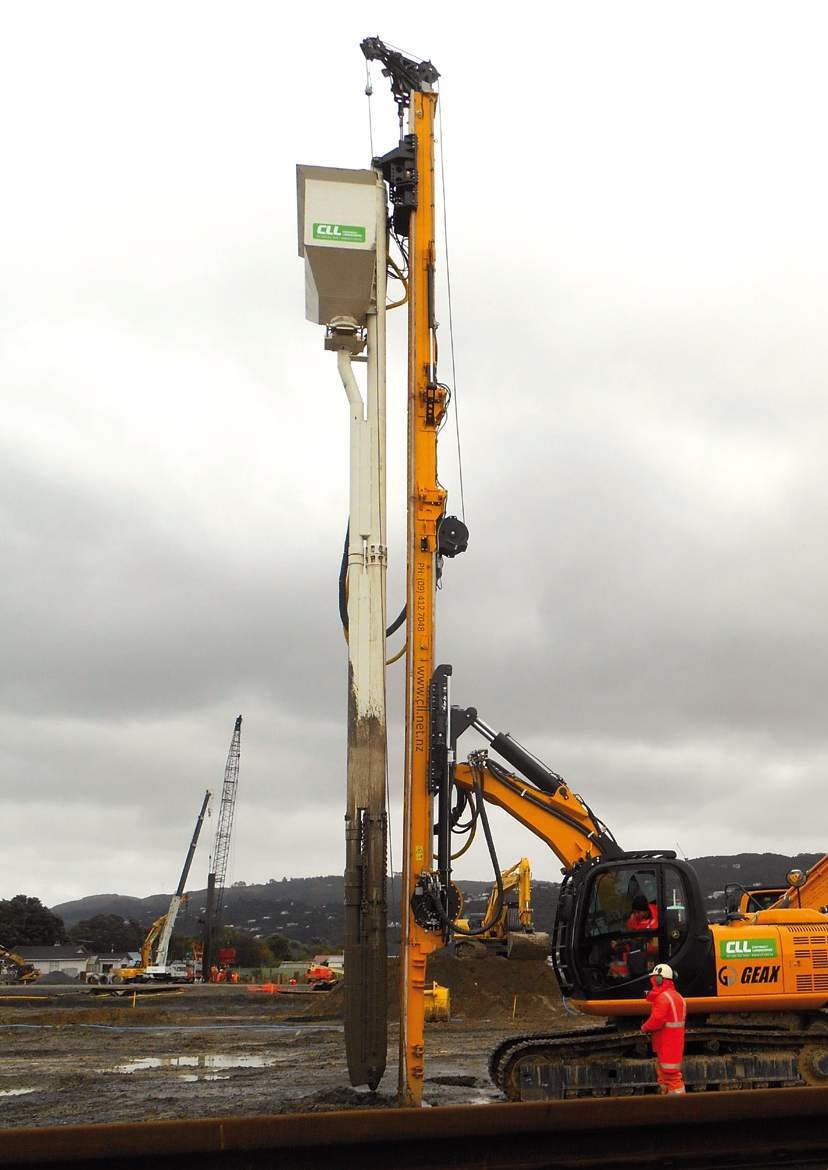
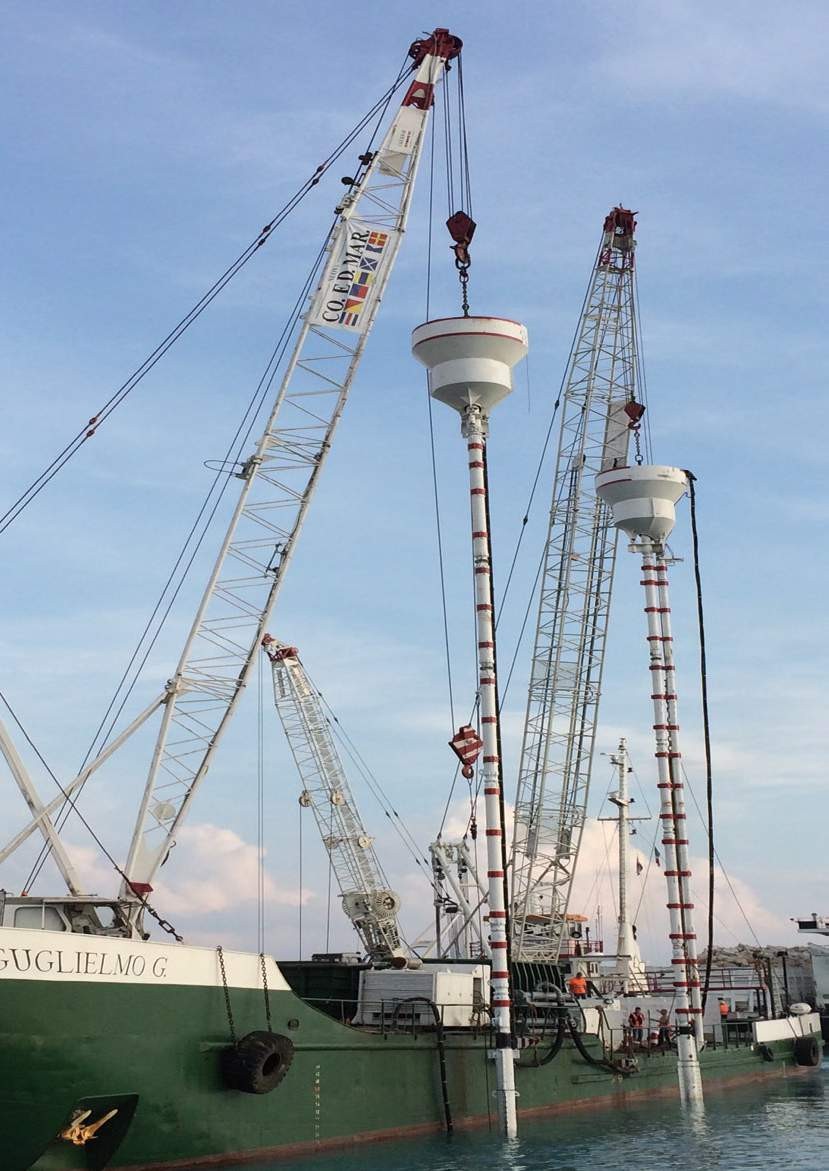
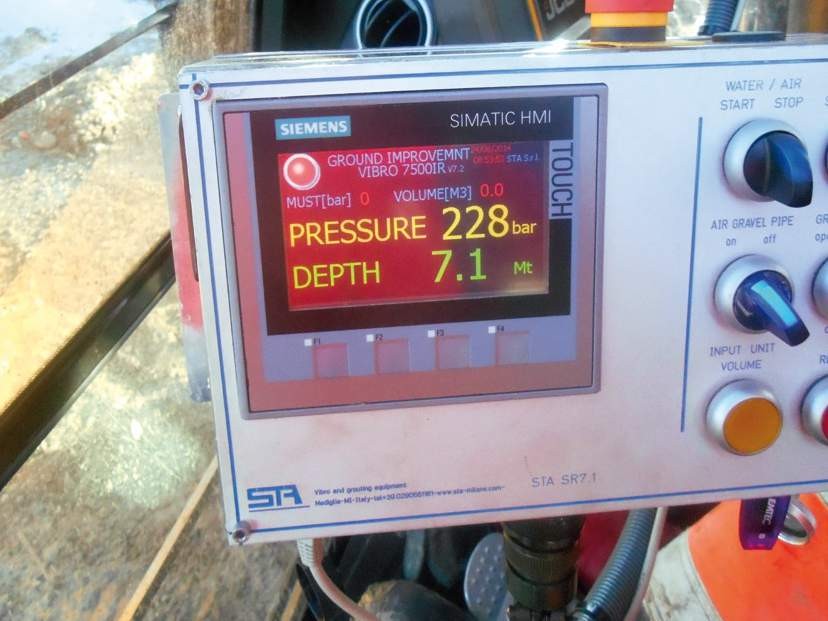
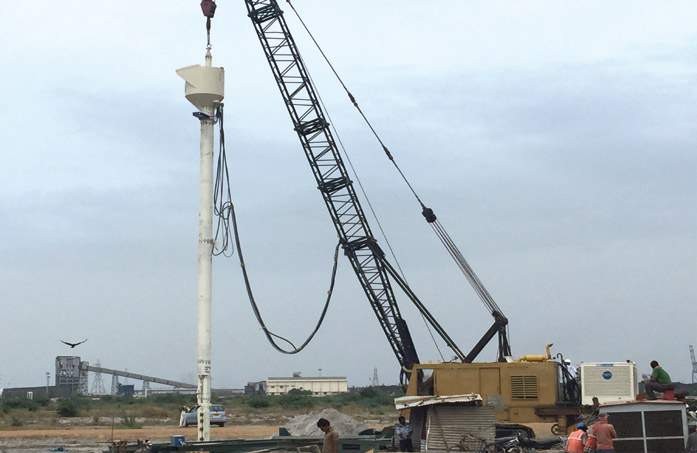
Bottom Feed Method
- Stones discharged at the bottom of the VibroSTA tip via stone tube
- Column built from bottom to top to designed depth
- Preferred perforation fluid: compressed air
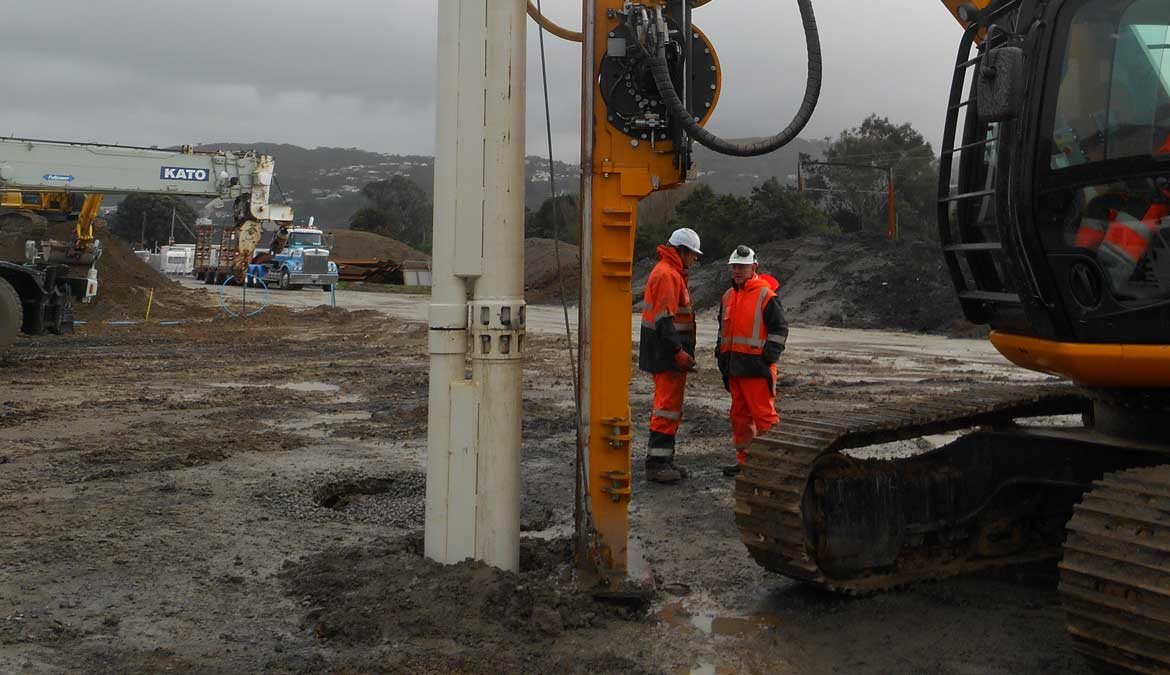
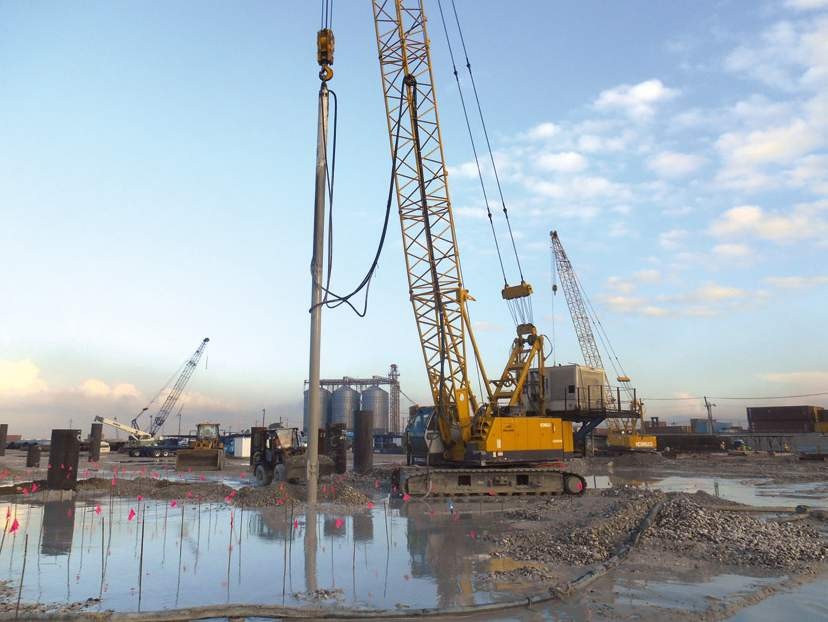
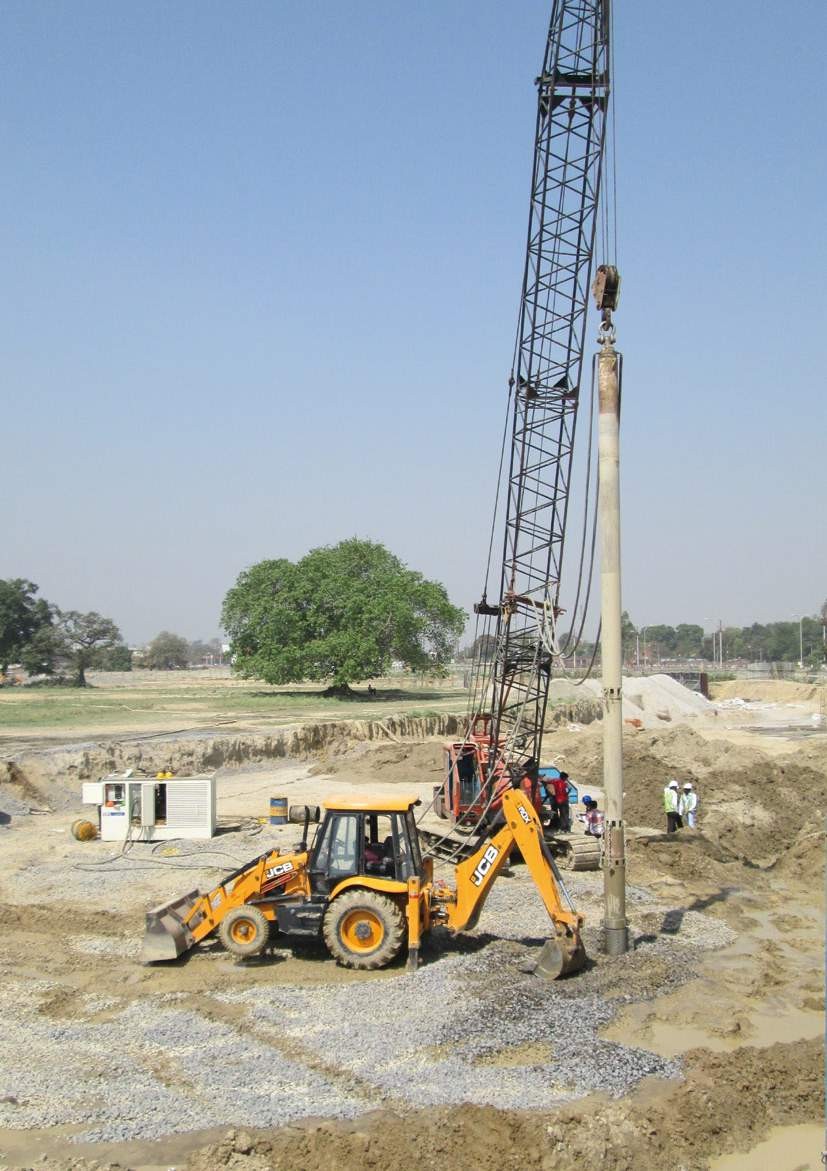
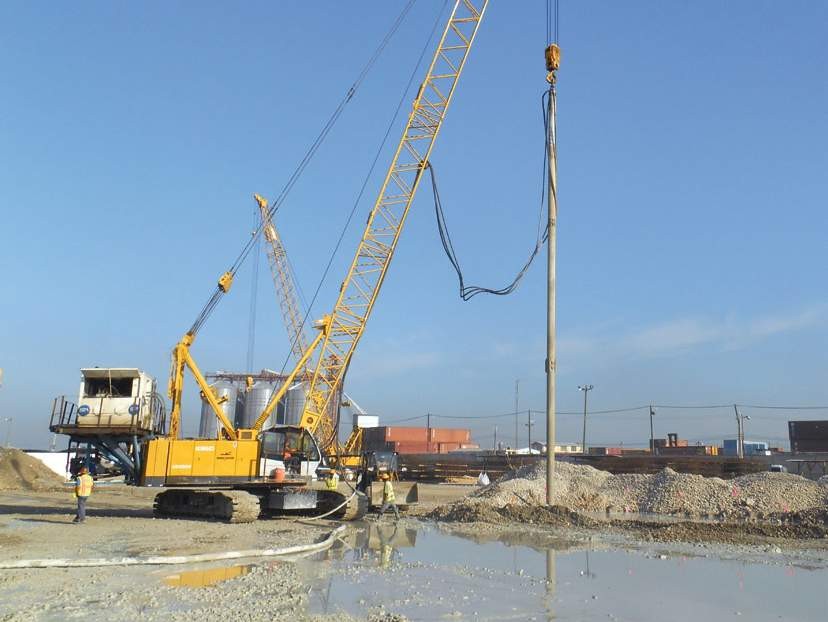
- Crane suspended · excavator mounted · piling rig application
Installation of stone columns improves ground by reducing soil settlement. Due to their higher modulus of elasticity than that of soil, stone columns absorb more load and reduce overall settlement.
Since applied load distributes between soil and stone column in the ratio of their stiffness, the load carrying capacity of soil also increases. Content on this page is based on the STA Milano stone column technical overview. For project-specific design and equipment selection, contact Neftaş sales engineering.
Stone aggregates are used to fill stone columns. Water can easily pass into the stone column, so stone columns help in excess pore water pressure mitigation and accelerate the consolidation process.
In this method, boring is done by displacing nearby soil. The soil is displaced laterally, due to which the engineering properties of the soil change. Stone columns act as stiff inclusions within soft ground, sharing structural loads with the surrounding soil and limiting differential settlement.
Neftaş Makina represents STA vibroflotation equipment in Turkey. With service points in İzmir, Istanbul, Ankara, Adana, Çanakkale and Gaziantep, we support stone column projects with VibroSTA equipment, spare parts and field expertise.
Stone column construction can be performed using two distinct techniques, selected according to soil type, fines content and whether the borehole remains open during and after penetration.
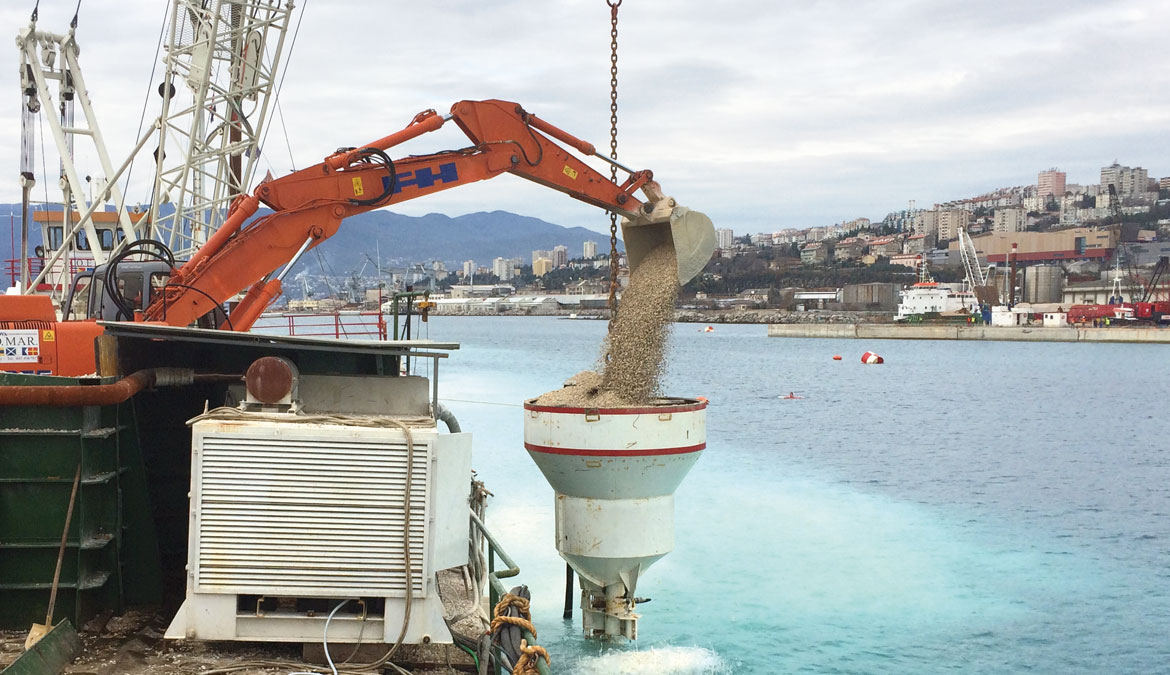
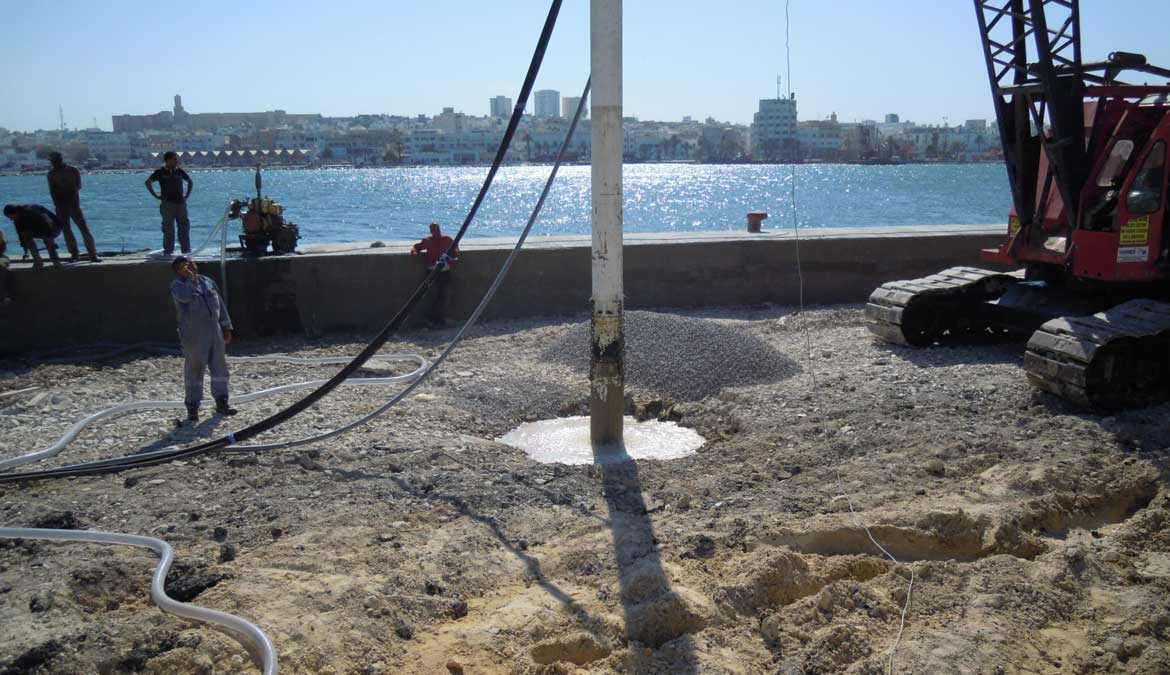
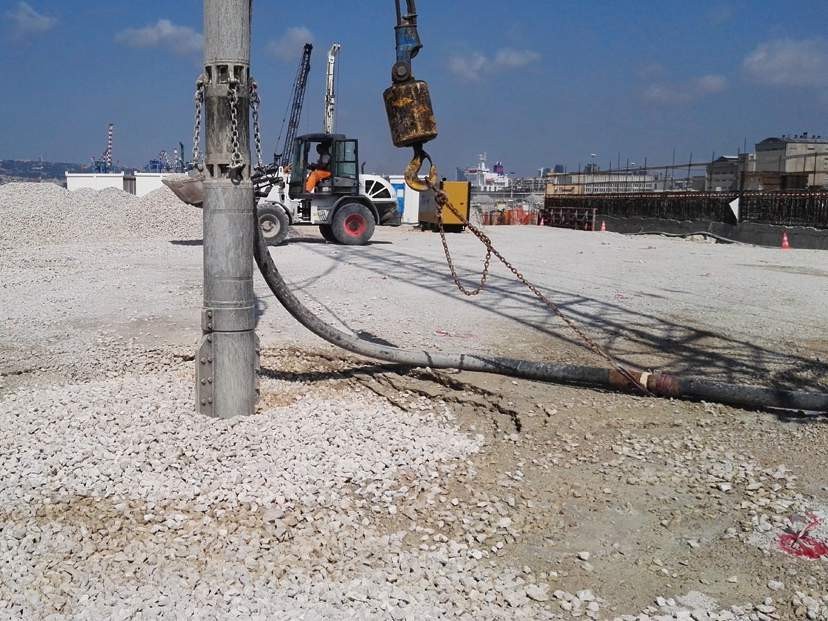
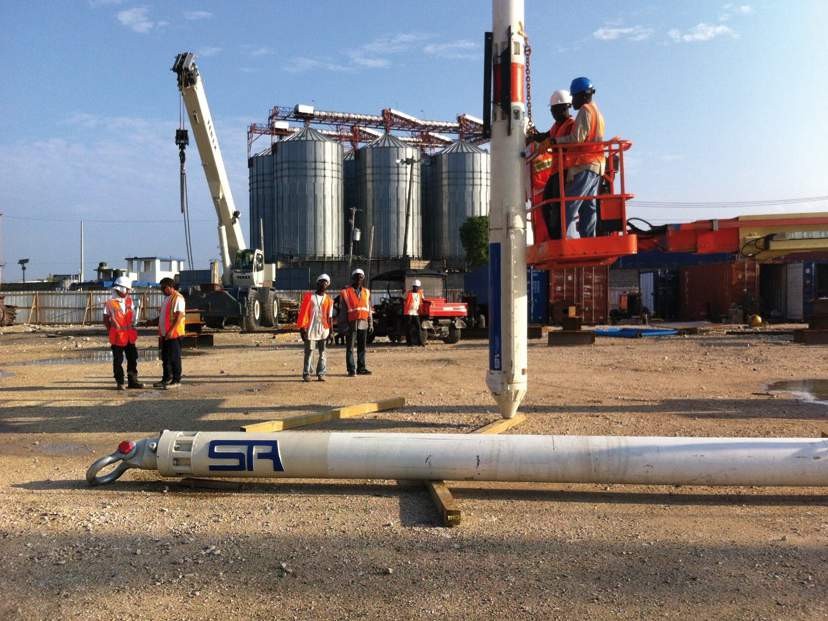
Selected images from the STA Vibroflot brochure — crane-suspended, excavator-mounted and offshore stone column installations.

Expanded summary based on STA Milano vibroflotation documentation. Soil investigation and trial columns determine the final grid, depth and aggregate specification.
Stone columns improve ground performance through a combination of stiff inclusion, load sharing and drainage enhancement:
The bottom feed technique is selected when fines content exceeds 10–15% and the borehole cannot remain stable without continuous support from the bottom-up stone feed.
Once the perforation process is terminated, stones are discharged at the bottom of the VibroSTA tip through a stone tube that drives the gravel into the VibroSTA, building the stone column from the bottom to the top of the designed depth. Preferred perforation fluid is compressed air.
Top feed stone columns are a vibro-replacement technique recommended for cohesive saturated soils. This technique consists in building and compacting in the ground columns made from coarse gravel, crushed stone or crushed aggregate, following a grid pattern previously determined by a test trial.
In the top feed method, the column is made with stones that are added from the ground surface into the hole created by the VibroSTA. This method requires the use of the same equipment as vibro compaction suspended from a crane. The backfill is compacted and pushed into the sides of the hole; the stone column is formed from the bottom of the hole to the top.
The choice between bottom feed and top feed depends primarily on soil behaviour during penetration:
A trial column programme on site confirms spacing, depth, stone gradation and production rates before full-scale installation.
Technical content sourced from STA Milano — Stone column. For VibroSTA equipment specifications and project support in Turkey, contact Neftaş Makina.